Restaurant Marketing: What To Fix Before Posting More
The problem most restaurants misread
When a restaurant needs more attention, the first instinct is often to post more.
More reels. More specials. More food photos. More stories. More promotions. More reminders that the restaurant exists.
Posting more may help if the foundation is strong. But if the brand memory is weak, the photos are inconsistent, the menu is hard to understand, the reservation path is unclear, or the local search profile is neglected, more posting only adds more noise.
A good restaurant can still look ordinary online. That is the problem I would diagnose first.
The market does not choose a restaurant from information alone. People choose from appetite, trust, memory, convenience, mood, and the feeling that this is the right place for this moment.
The short answer
Before posting more, a restaurant should fix the reason people should remember it.
That means clarifying the brand, improving the first photos people see, making the menu easy to scan, strengthening reviews and local profiles, simplifying reservations or ordering, and building content around the actual experience.
Social media should not be a random feed of dishes. It should make the restaurant easier to choose.
How I diagnose it
I would begin with the guest’s decision.
What moment is the restaurant built for? Dinner with friends, a serious date night, a family meal, lunch during a busy workday, private events, takeout comfort, celebration, discovery, or routine?
Then I would look at the signals.
Do the photos create appetite? Does the room feel visible? Does the menu make the best items easy to understand? Do reviews support trust? Can someone reserve, order, call, or ask about private events without friction? Does the social content show the actual personality of the place?
If those pieces are weak, the restaurant does not need content volume first. It needs content direction.
What most restaurants get wrong
The first mistake is photographing food without building desire.
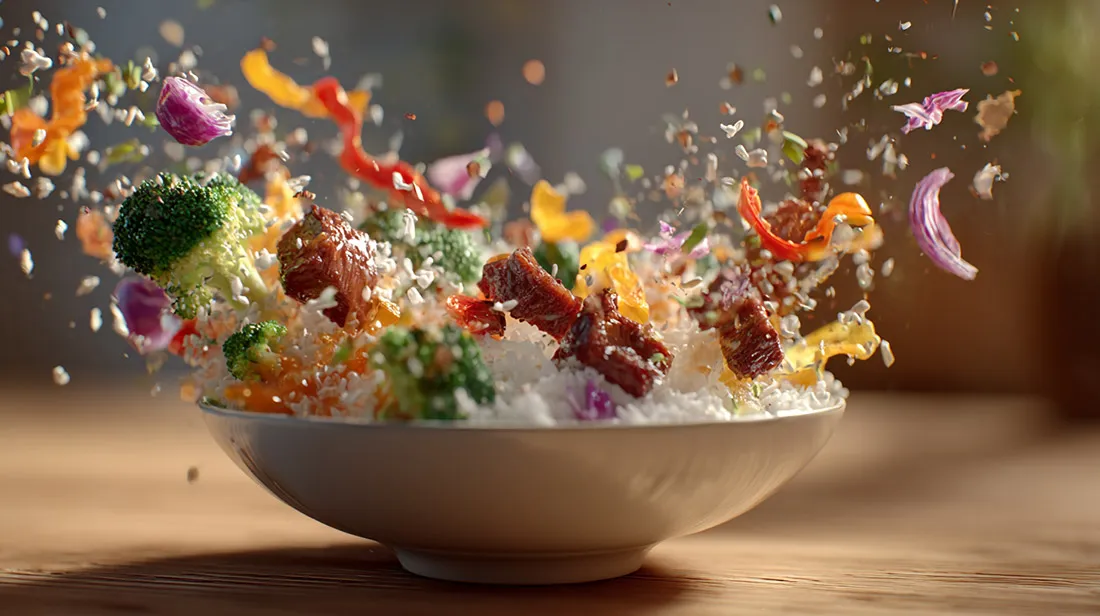
A plate shot can show what the food is, but not always why someone should want it now. The best restaurant content carries texture, motion, preparation, room energy, and the human reason behind the dish.
The second mistake is treating social media as a daily obligation.
Posting because the calendar is empty creates thin content. Posting because the restaurant has a story to carry creates memory.
The third mistake is hiding the experience.
People do not choose only a menu. They choose the room, the service, the mood, the people, and the occasion. If the feed shows only food, the brand may be leaving half the decision invisible.
The fourth mistake is making action difficult.
If reservations, ordering, hours, location, or private event inquiries are unclear, attention leaks at the moment it should become a table.
How to think about restaurant marketing
Restaurant marketing needs a simple rhythm.
The signature. What dish, room detail, story, or experience should people associate with the restaurant?
The proof. What reviews, guest moments, team stories, or visual details show that the promise is real?
The occasion. When should someone choose this restaurant instead of another option?
The path. How quickly can someone reserve, order, ask, call, or plan an event?
The return. What reason does the guest have to come back?
When those pieces are clear, social media becomes easier. The content stops being random and starts building a recognizable appetite.
What to do first
Before posting more, start here.
- Choose one signature dish or experience the restaurant should be known for.
- Replace the first five weak photos on the website, social profiles, and local listing.
- Make reservations, ordering, or private event inquiries impossible to miss.
- Build one week of content around one clear reason to visit.
- Respond to reviews with the same care the restaurant brings to the table.
One strong idea, repeated with variety, is better than a week of disconnected posts.
For related questions, see the Restaurant Marketing FAQs and Social Media Marketing FAQs.
Related questions
What should a restaurant social media program include?
It should include food photography, short videos, chef or owner perspective, specials, events, guest moments, reviews, and local community content.
How can a restaurant get more local leads?
Make the next visit easy to imagine and easy to book through strong local listings, photos, menu clarity, reservation links, and social content that creates appetite.
Should restaurants use video marketing?
Yes. Video can show movement, preparation, atmosphere, sound, and personality faster than still images alone.
What makes a restaurant brand memorable?
A restaurant brand becomes memorable when the food, room, service, story, and visual identity point to the same feeling.
Where this connects
This article sits inside my Industry Playbooks thinking.
The brand principle connects to Built with Authenticity and Built on Strategy. Related questions live in the Restaurant Marketing FAQs, Social Media Marketing FAQs, and Video Production FAQs.
When the diagnosis calls for construction, my team at Alive ProStudios can build the restaurant’s brand, content rhythm, photography direction, video, landing pages, local campaigns, and follow-up system. The implementation bridge is Alive ProStudios.
Built to be chosen
A restaurant should not have to shout to be remembered.
It needs a clear reason to be chosen, made visible across every place people decide where to eat.